Everyday identity essentialBuild a collar range around comfort, identification and easy choice
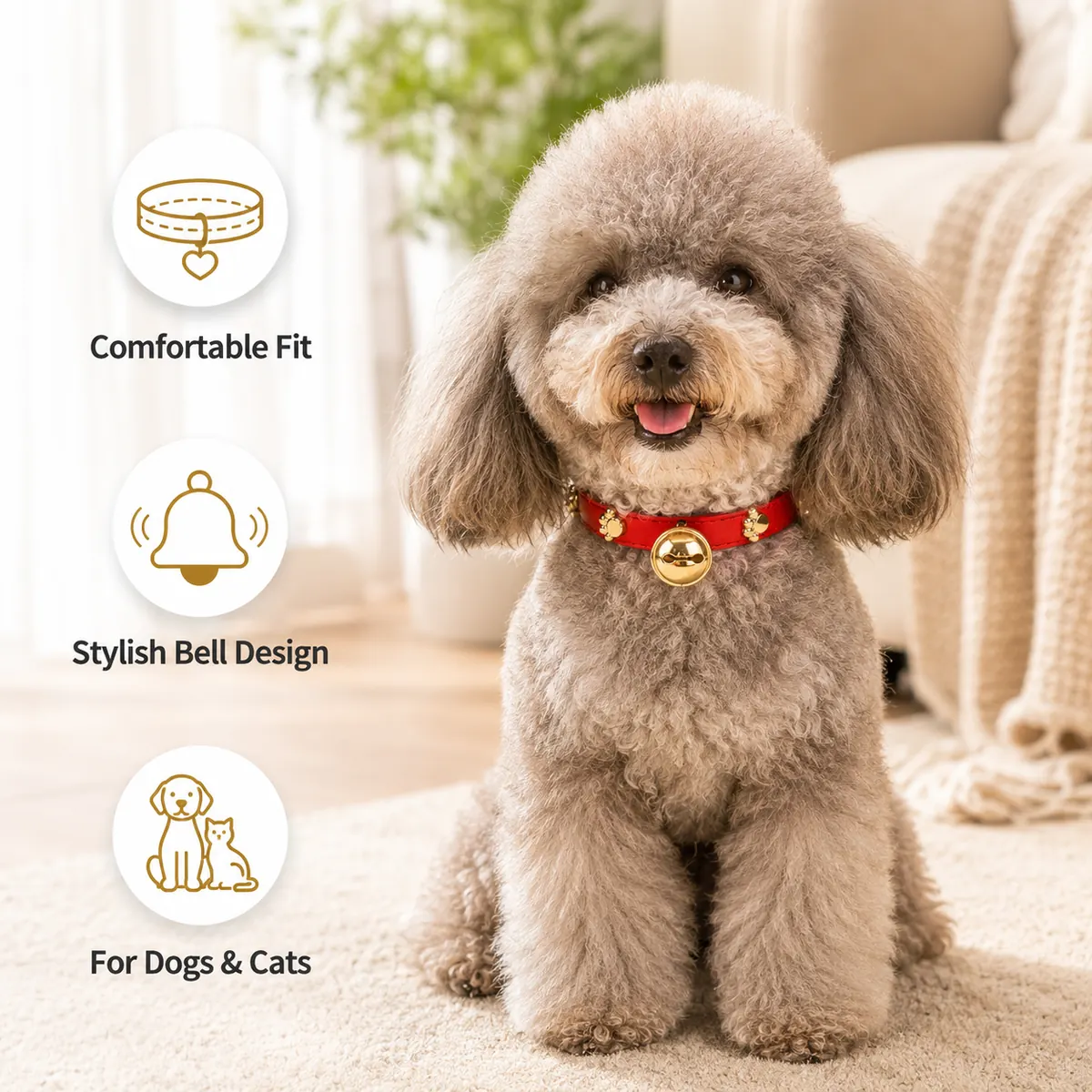
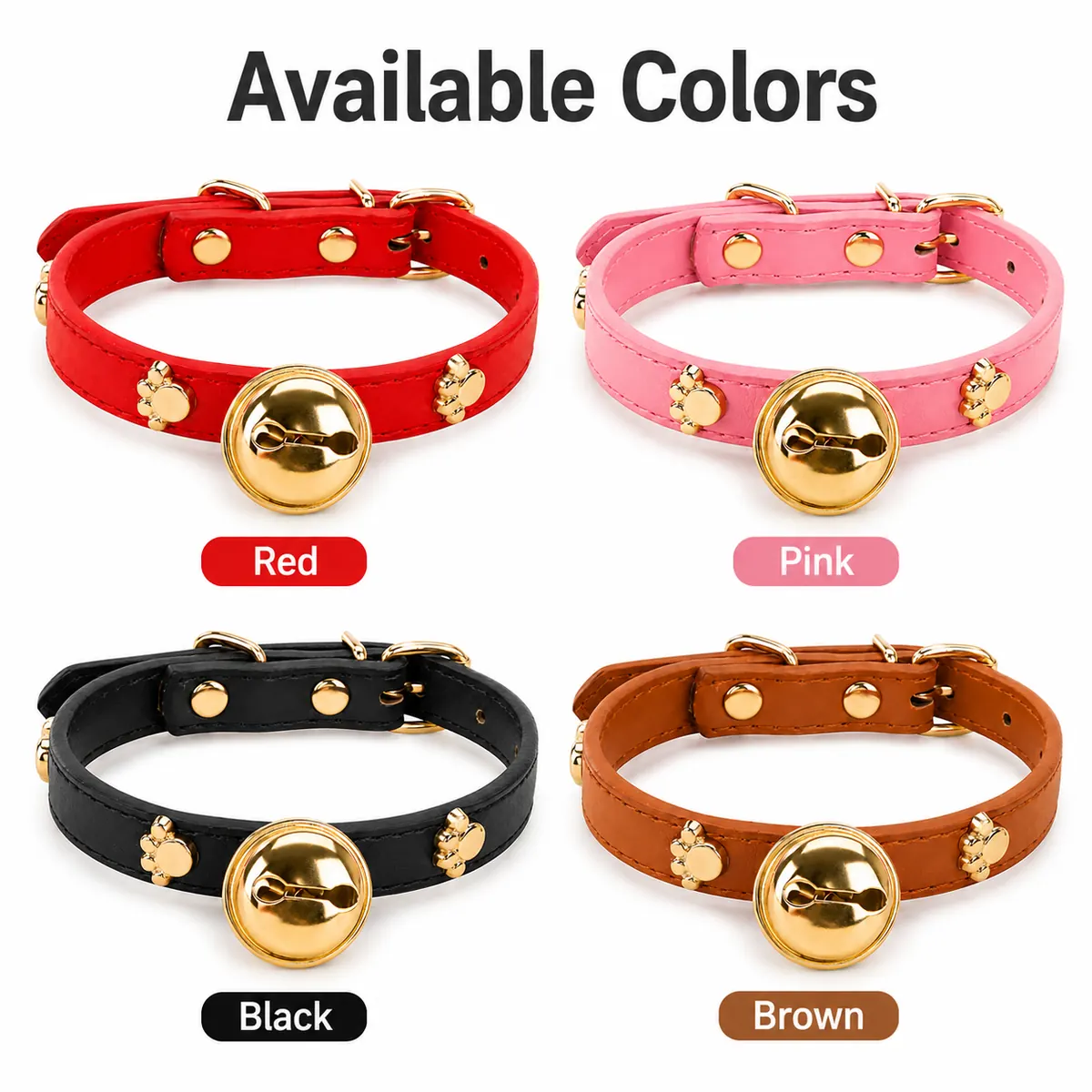
A collar is one of the most frequently handled pet accessories, so buyers win repeat attention through familiar comfort rather than novelty alone. Customers want a color they like, a size they can trust and hardware that feels secure. The product page should help them picture daily tag attachment and routine walks without making safety claims the sample cannot support.
Small contact points shape the whole experience
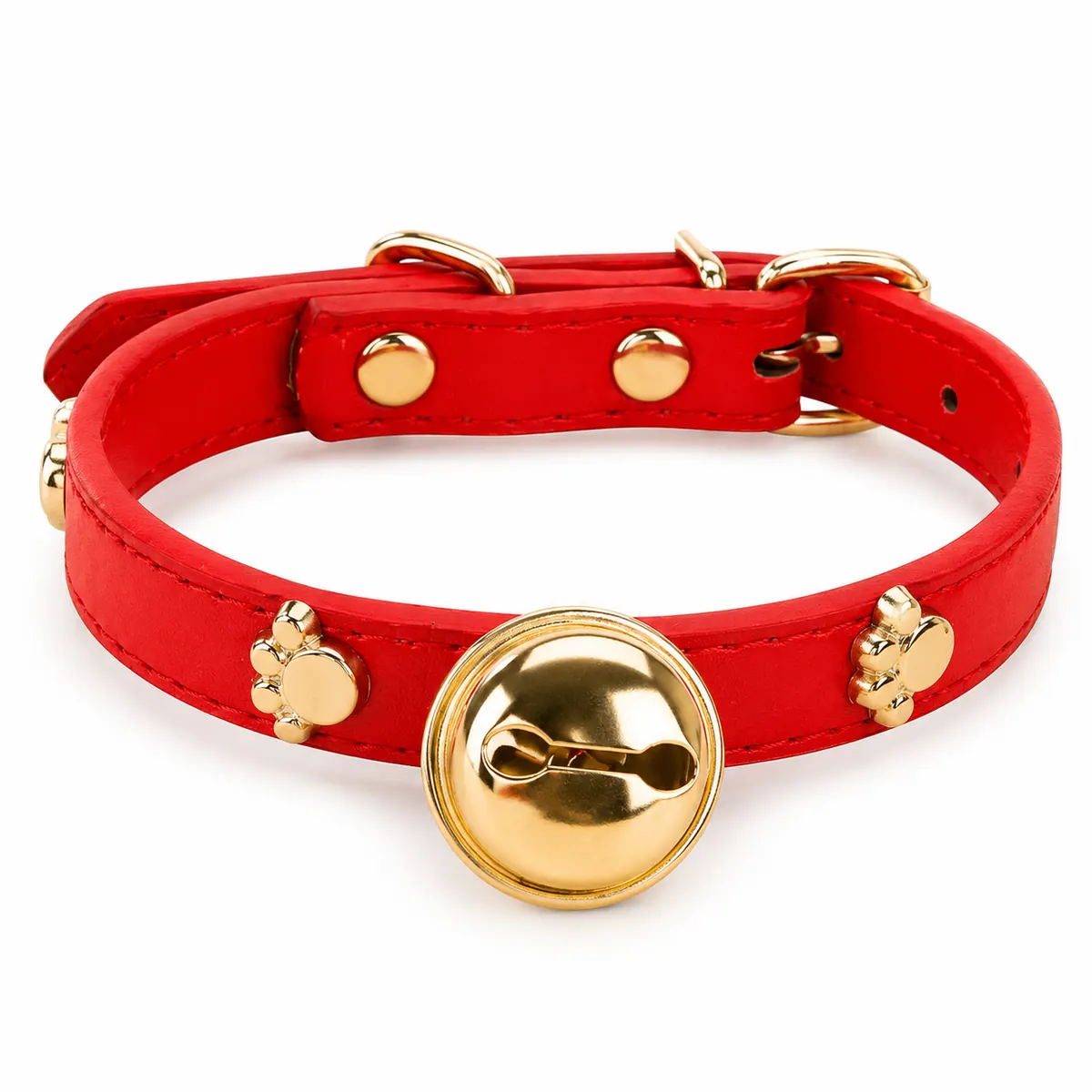
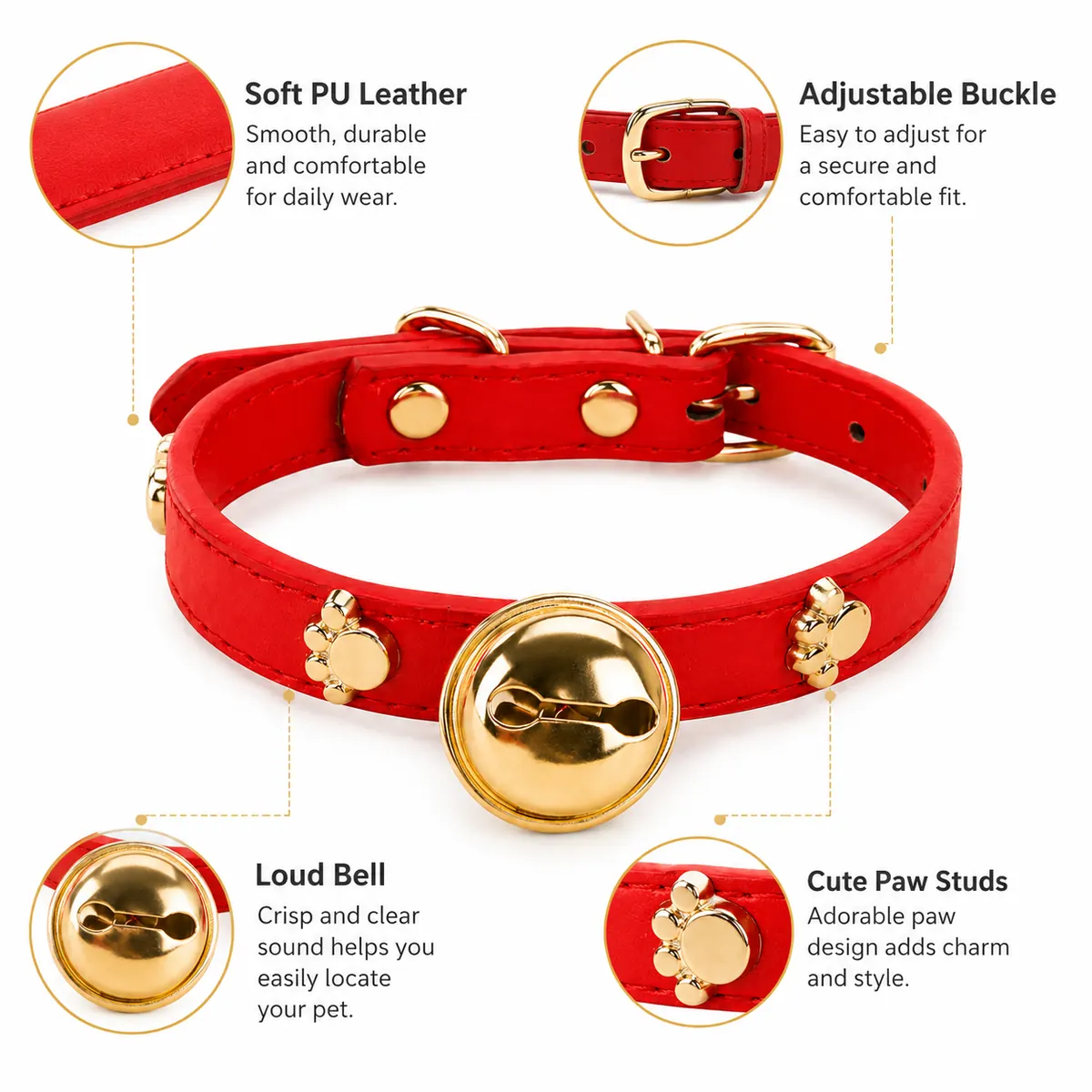
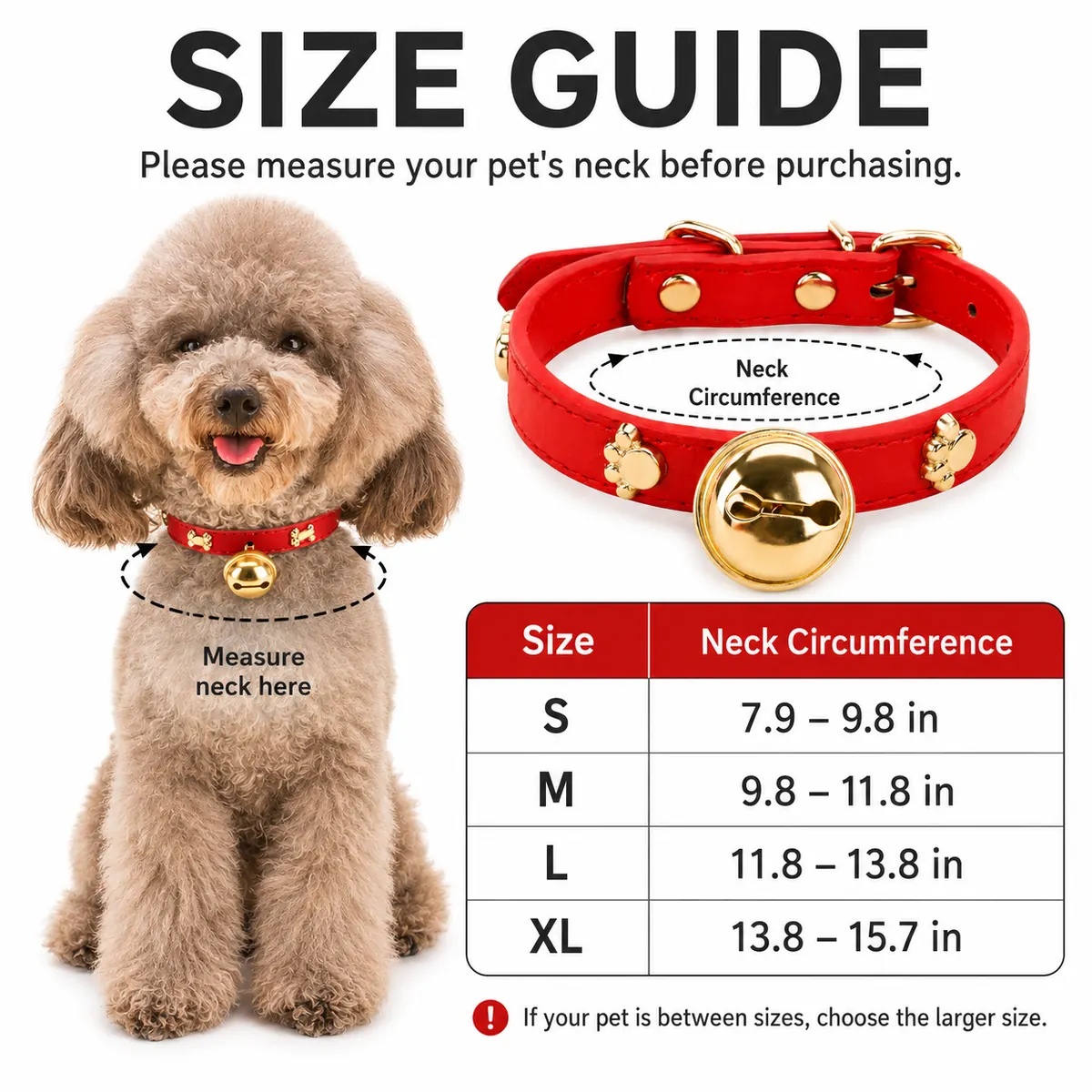
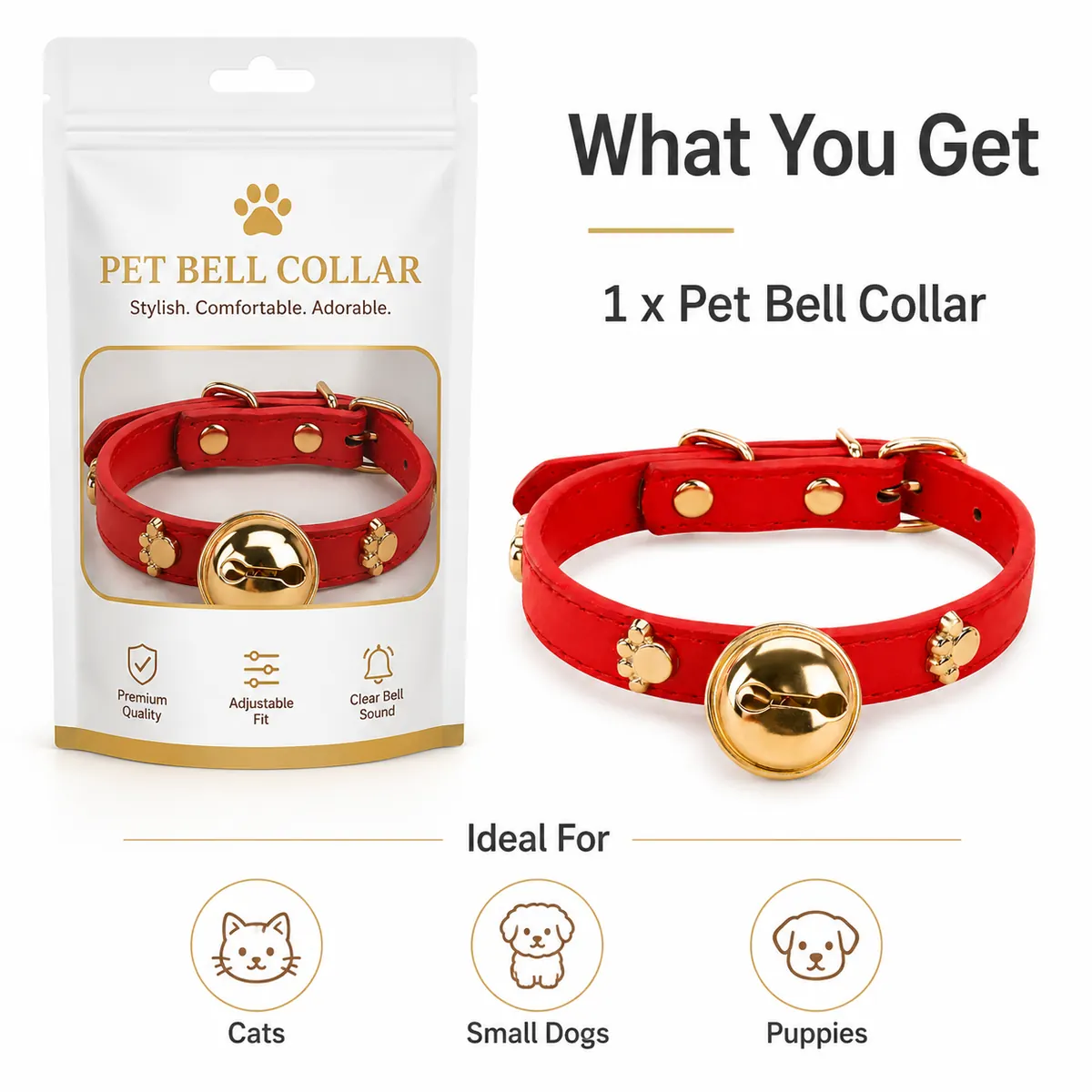
Check the inside edge, buckle profile, adjustment slider and the position of the D-ring. A collar that looks smooth in a flat photo may still have a stiff seam or protruding part at the neck. Ask for the usable circumference range—not only total strap length—and confirm how much overlap remains at the smallest and largest settings.
Make the size ladder easy to shop
Use one measurement method across every color and size, with both centimeters and inches where useful. Size-coded packaging and a visible product color reduce returns in self-service retail. If the collar is intended to match a leash or harness, control the shade and hardware finish across all three rather than assuming suppliers interpret a color name identically.
Questions to settle on the Dog Collar sample
- Usable neck circumference and strap width
- Buckle opening force and repeated-cycle plan
- D-ring position, plating and seam reinforcement
- Label space, barcode placement and matching-set colors
Responsible-use boundary: A walking collar is not automatically suitable for restraint, tie-out or identification in every situation; define intended use on the retail pack.
Reference note: For the Dog Collar, these use notes describe buyer-selection questions, not veterinary, restraint or performance guarantees. Confirm the exact material, dimensions, construction and test method for the quoted model.