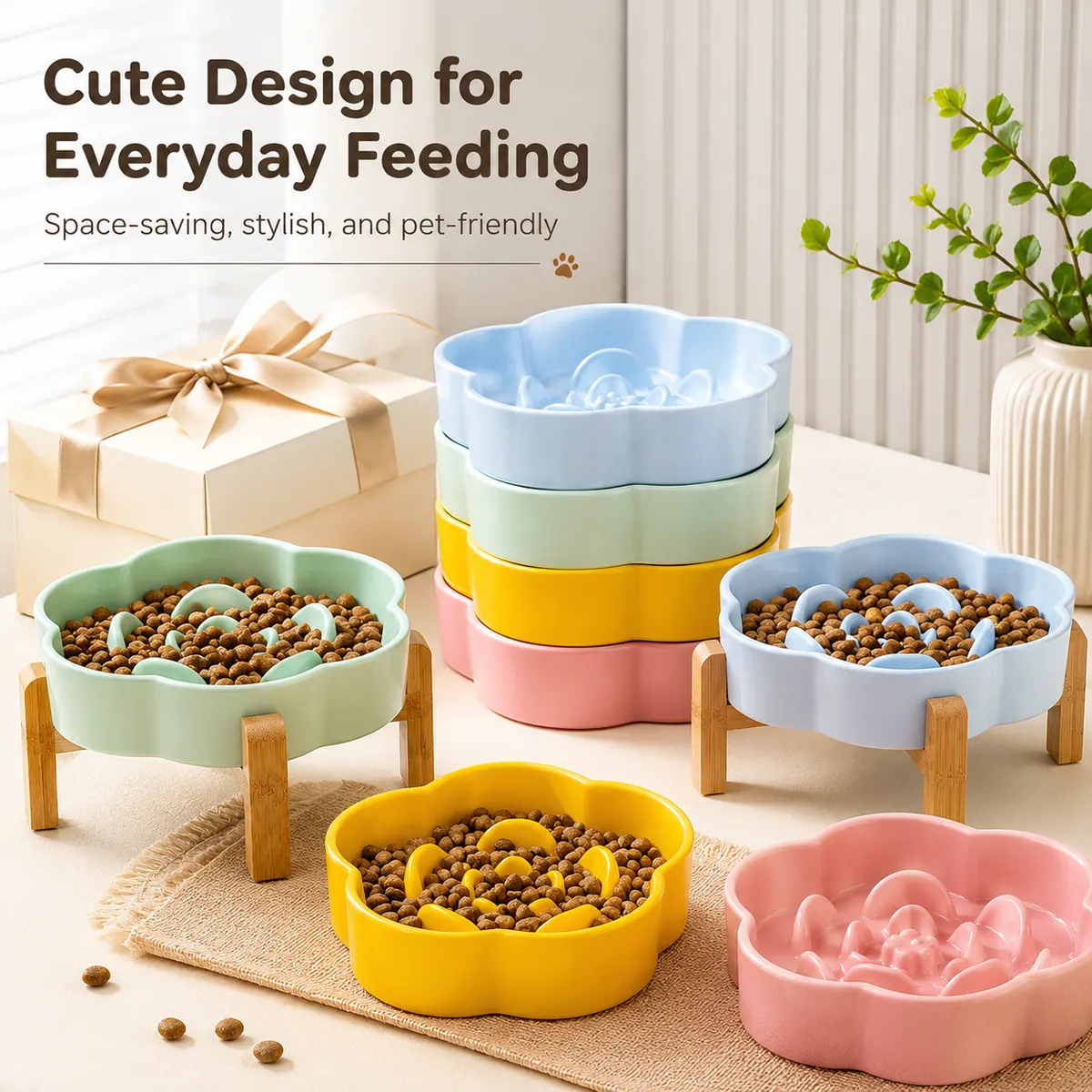
Responsible slow-feeding claimSell the feeding experience without turning the name into a medical promise
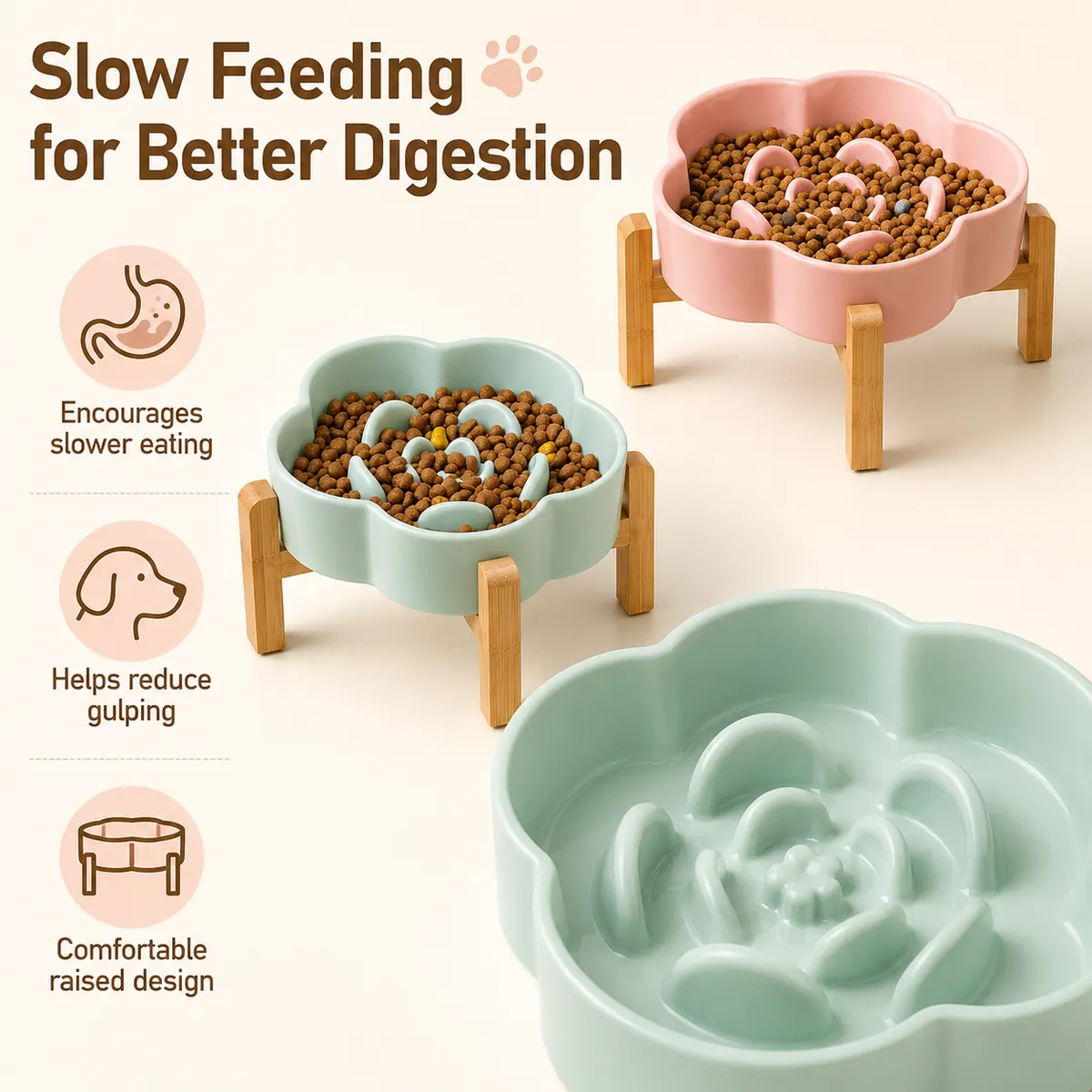
Customers often look for bowls that make rapid eating less straightforward. The product name may use “anti-choking,” but responsible retail copy should describe the physical slow-feed pattern and observed meal behavior rather than guarantee prevention of choking, bloat or another health outcome. Pet response depends on size, snout shape, food and supervision.
The right challenge is usable, not frustrating
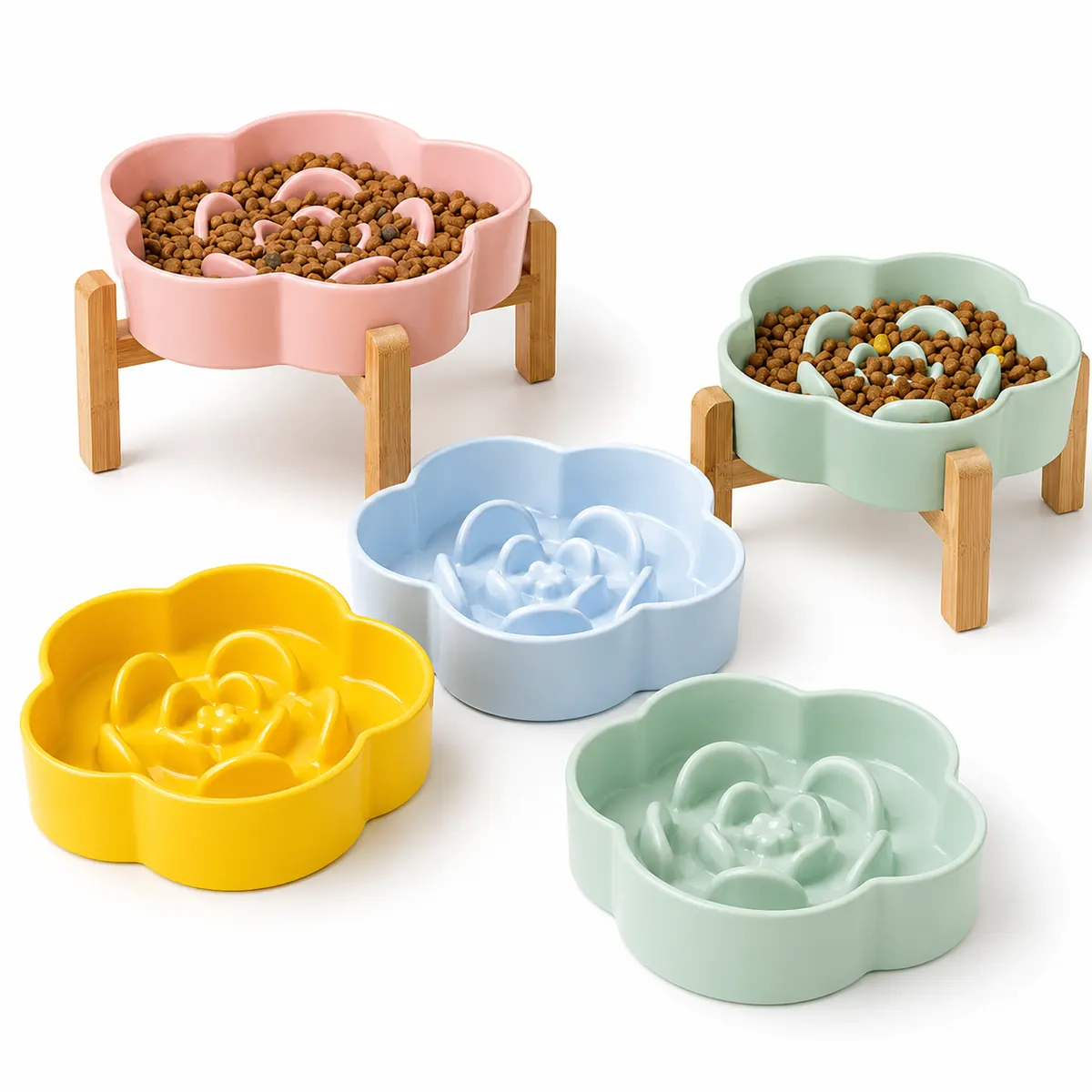
Compare ridge height and spacing with the target pet size and common kibble shapes. Food should remain reachable without sharp edges or narrow pockets that trap residue. During a supervised sample trial, record meal time and interaction only as internal fit information—not as a universal performance claim—and stop use if the design causes distress or unsafe behavior.
Clarity builds more trust than dramatic promises
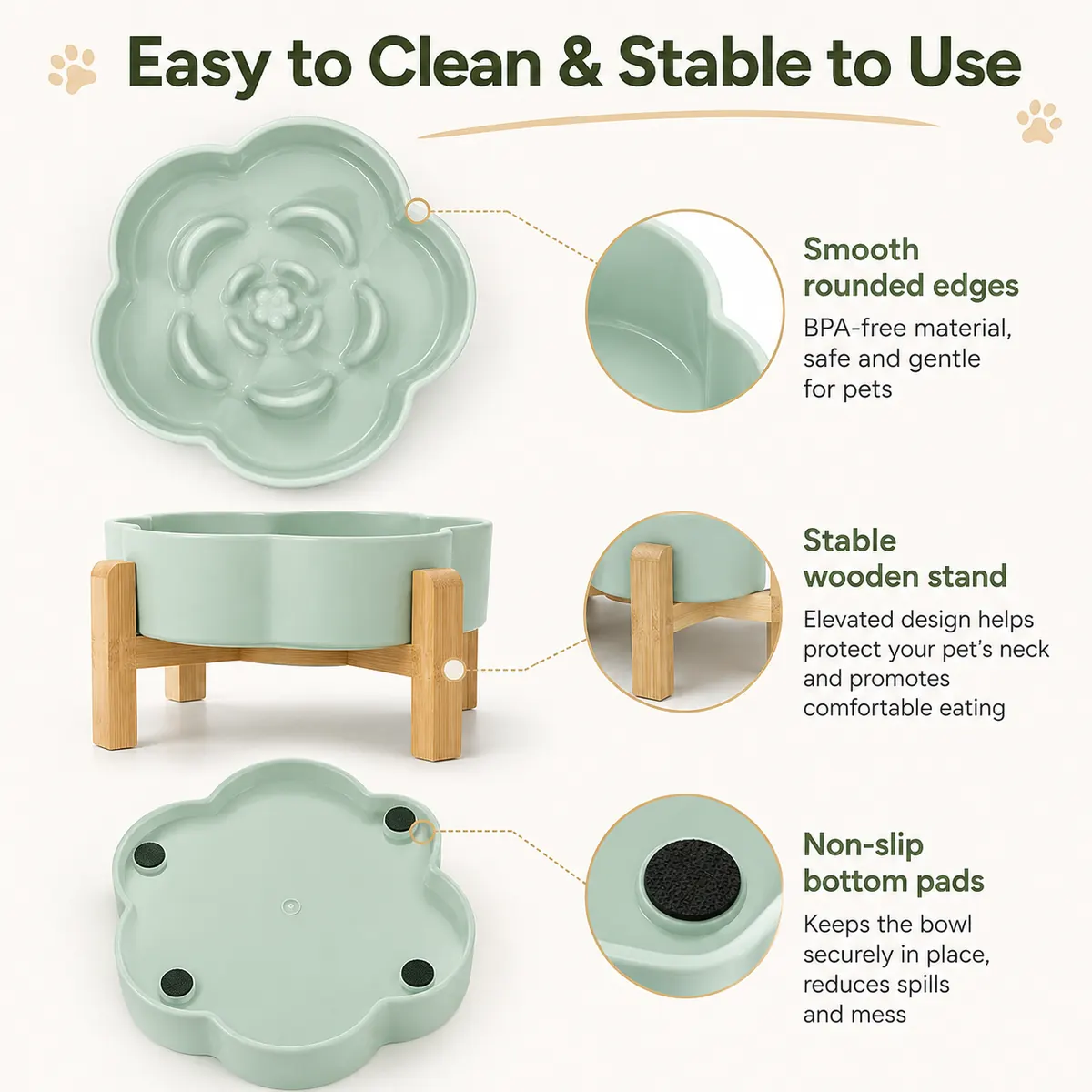
Show the internal pattern from directly above, include the usable capacity and explain cleaning access. A clear note that the bowl is not a veterinary device protects the brand and helps customers set realistic expectations. Packaging can focus on controlled portions, an engaging mealtime routine and easy care where verified.
Questions to settle on the Anti-Choking Pet Feeding Bowl sample
- Ridge spacing, height and edge finish
- Usable capacity with target kibble sizes
- Base movement during supervised feeding trials
- Cleaning access and responsible claim wording
Responsible-use boundary: Avoid medical prevention claims. Owners concerned about choking, regurgitation or rapid eating should consult a veterinarian.
Reference note: When reviewing hygiene and care for the Anti-Choking Pet Feeding Bowl, compare the sample instructions with this independent reference: For feeding and storage hygiene, see the FDA guidance on pet-food storage and handling. It recommends retaining original package details and keeping bowls and storage tools clean and dry.