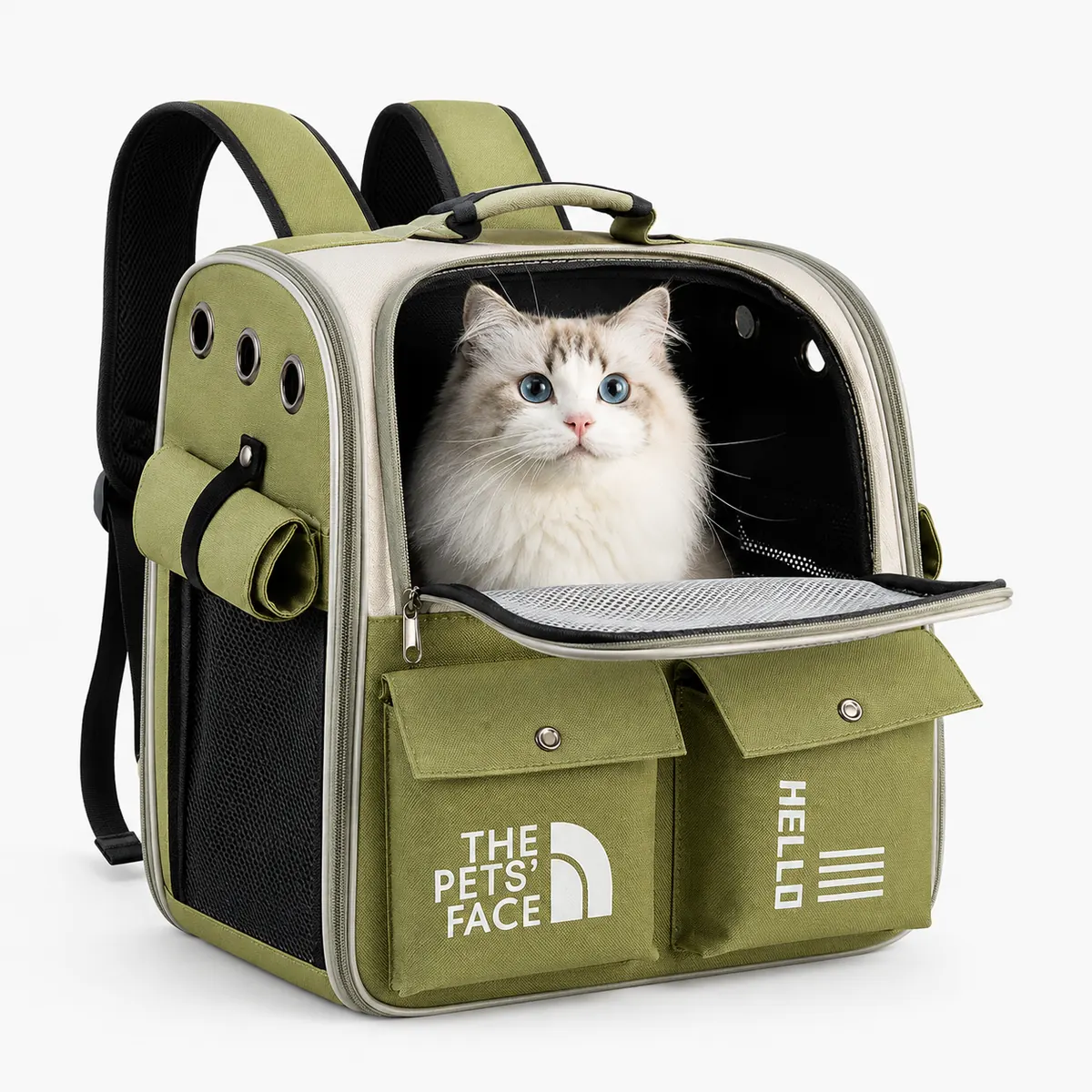
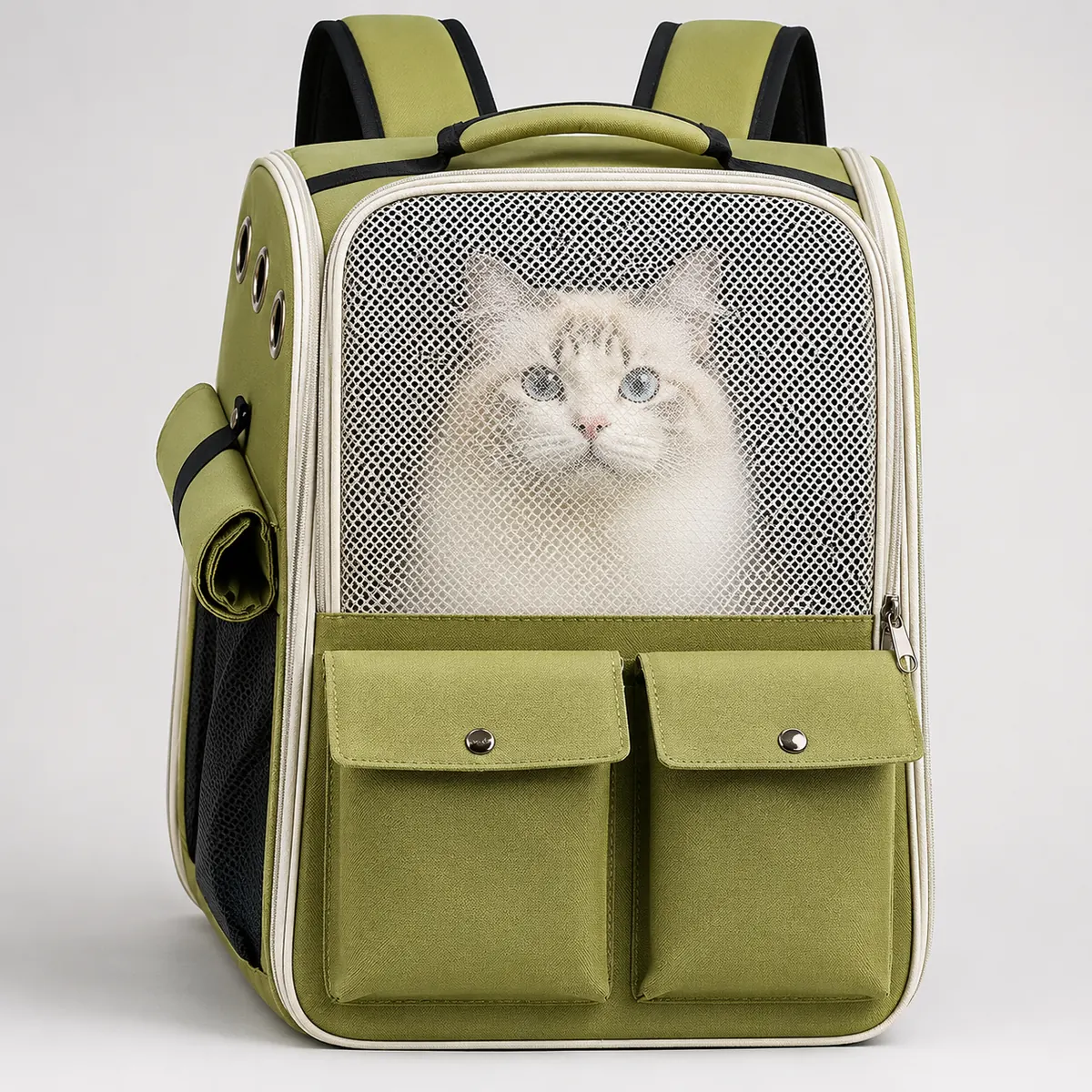
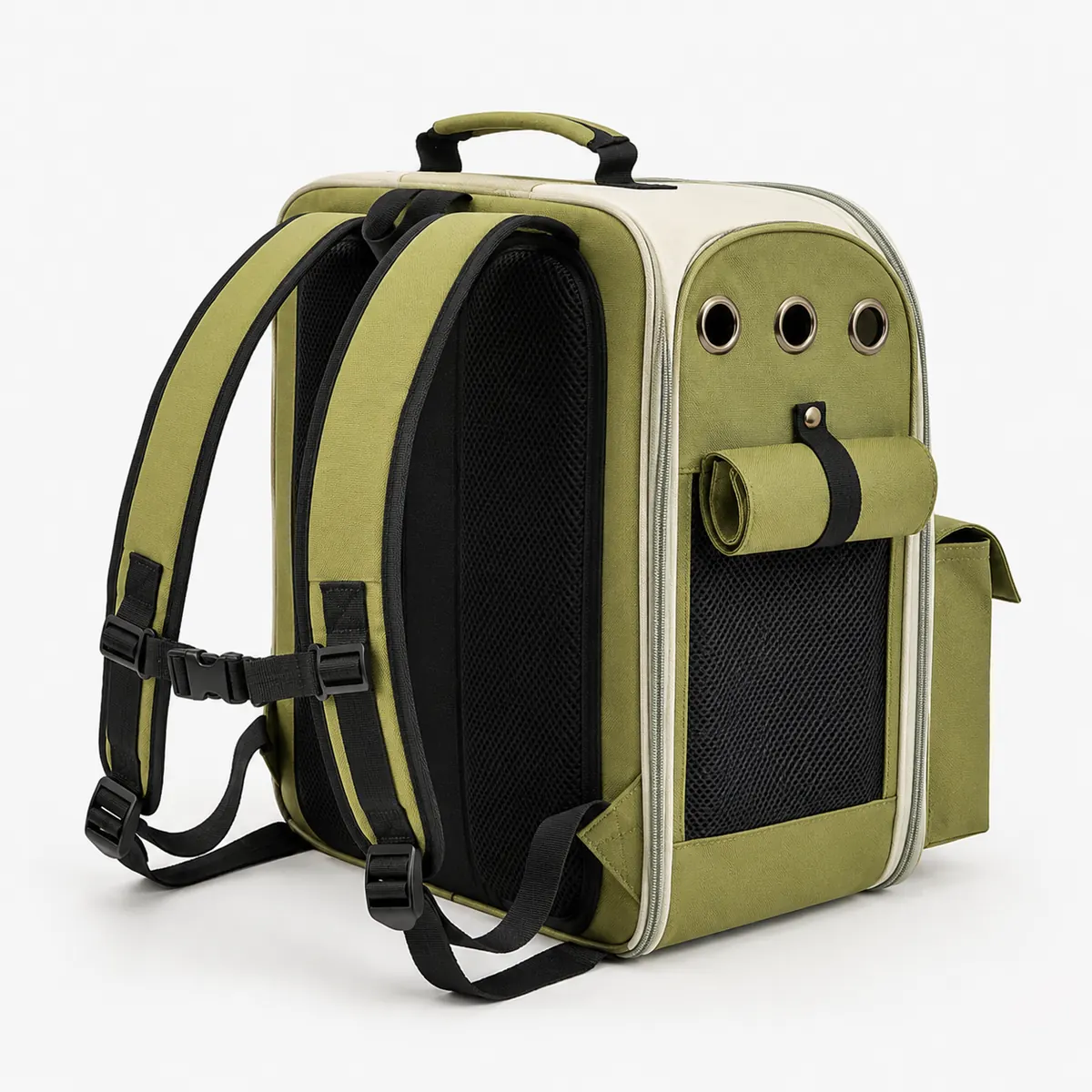
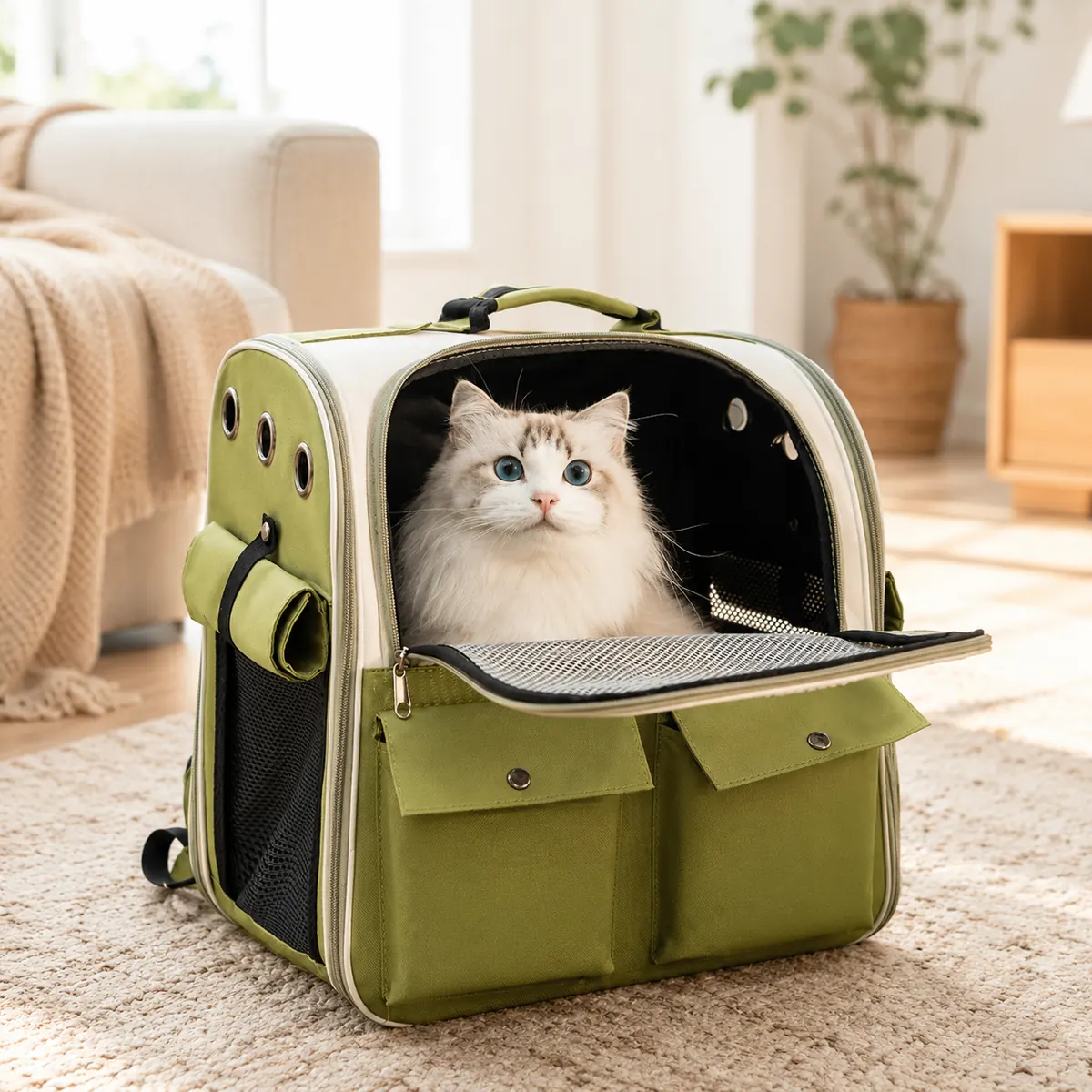
Roomier carry optionReplace “large capacity” with dimensions and a believable load story
Large-capacity language attracts owners of bigger cats, small dogs or pets that need more room, but it can also create the most expensive returns. Buyers should publish usable interior dimensions, opening size and a verified load limit. A wide-looking photo cannot show whether the base, straps and seams remain stable at that load.
Space, balance and ventilation must grow together
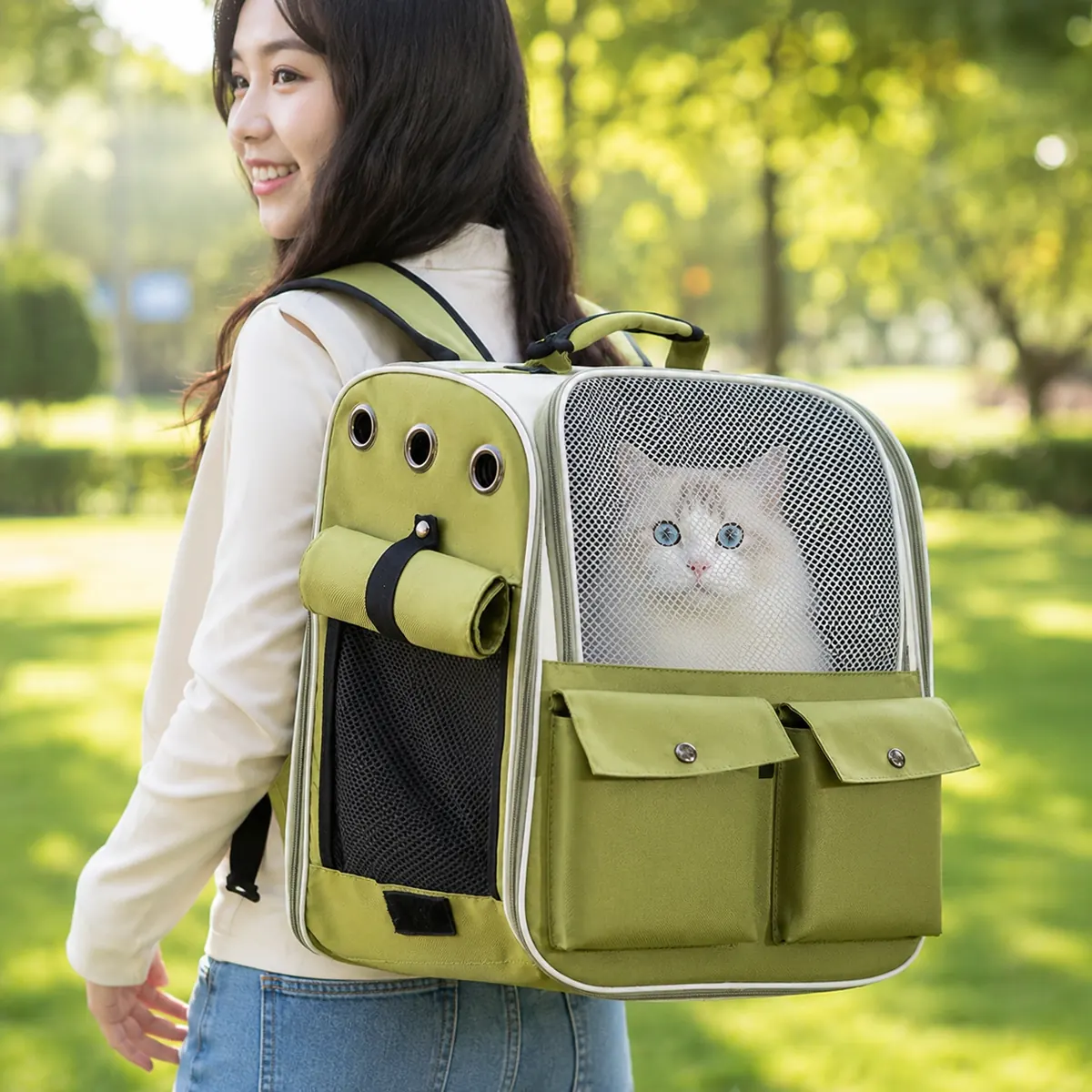
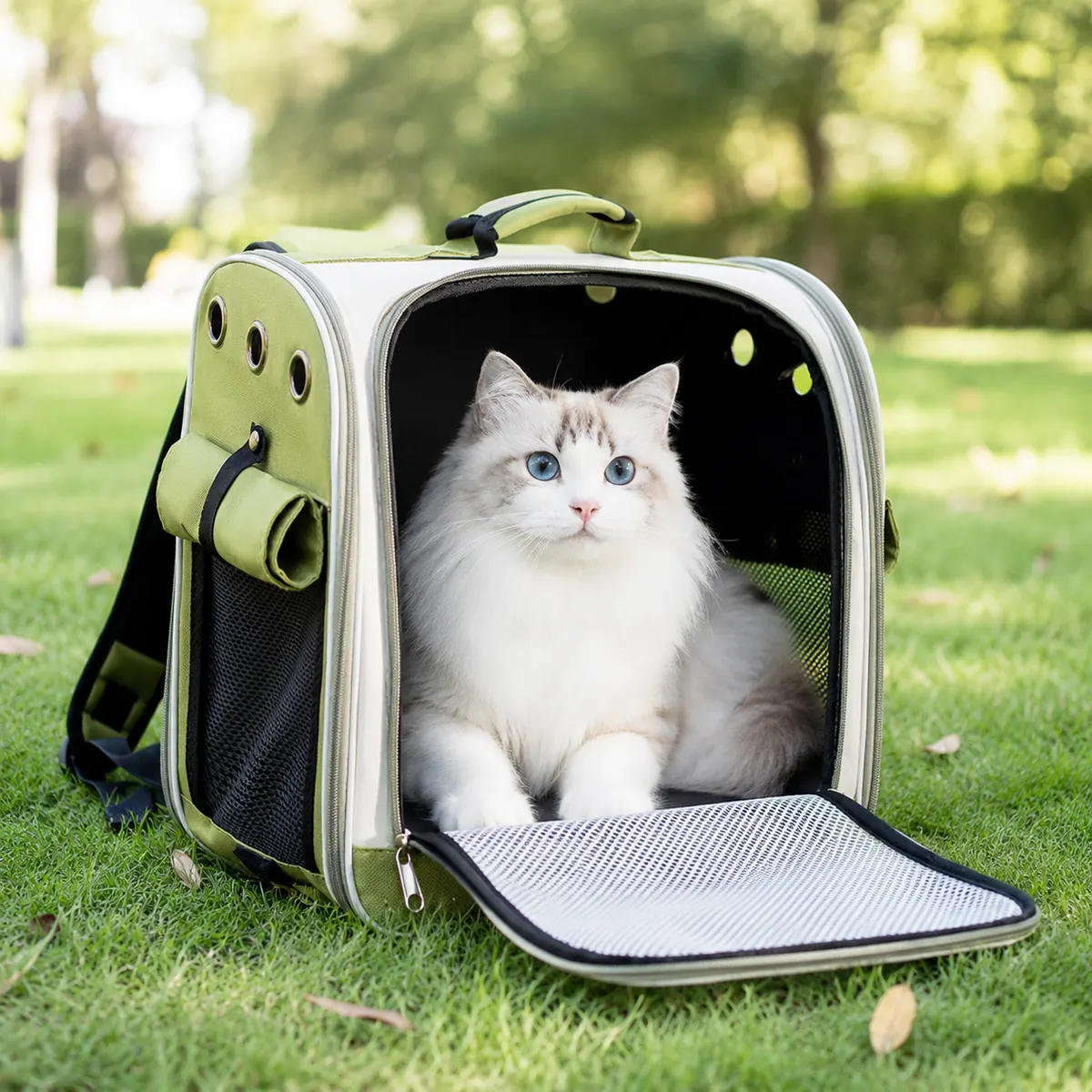
Test the loaded backpack on different body heights and observe whether it pulls away from the wearer or collapses inward. Check base sag, strap adjustment, chest or waist support if included, and the ventilation that remains unobstructed by the pet. The model should stand securely when set down so entry and rest feel controlled.
Help customers measure before they choose
Use a pet silhouette diagram with standing and lying dimensions, plus a clear statement that weight alone does not determine fit. Show the carrier worn from the side and back, not only enlarged in isolation. For online marketplaces, put interior size, carrier weight and tested load in the first comparison table.
Questions to settle on the Large Capacity Pet Backpack sample
- Interior length/width/height and entry opening
- Carrier weight and verified load-test method
- Base deflection, strap seams and wearer balance
- Open ventilation area at representative pet sizes
Responsible-use boundary: Do not select solely by pet weight; body shape, posture, ventilation and trip length also affect suitability.
Reference note: When reviewing the Large Capacity Pet Backpack sample, use this independent travel reference as a starting point: For travel-carrier sizing and route checks, see the IATA Traveler’s Pet Corner. IATA guidance is a starting point; the chosen airline and destination can impose additional requirements.